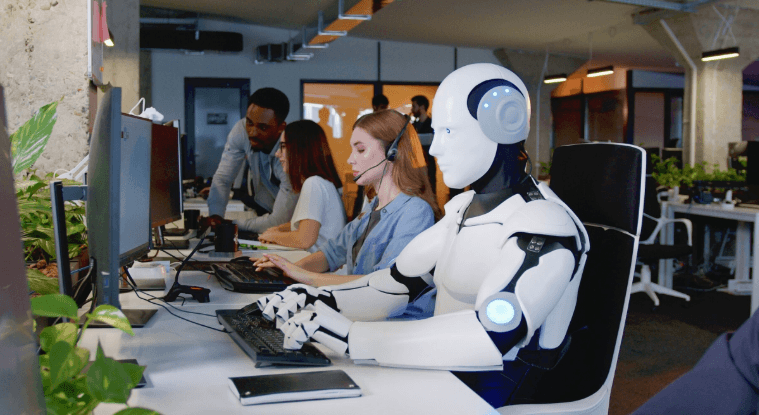
Human vs Robot Workforce

Human work today sits at a crossroads of judgment and repetition. Robots offer precision and scalable output, while humans provide empathy, nuanced problem-solving, and adaptable judgment. The strongest models blend these strengths through clear roles, trust, and transparent governance. Yet questions remain: where do processes become too rigid for humans, and where do ethics demand a human touch? The balance invites careful exploration as teams design humane, resilient collaborations that sustain purpose and accountability.
How Humans and Robots Complement Each Other in Work
The collaboration between humans and robots rests on complementary strengths: humans excel at judgment, creativity, and nuanced problem-solving, while robots offer precision, consistency, and the ability to scale repetitive tasks.
In this dynamic, collaboration psychology informs teamwork, aligning roles and trust.
Ethical governance ensures transparent decision-making, accountability, and humane integration, fostering freedom through responsible automation and shared capability across diverse work environments.
What Jobs Fall Short for Automation: And Why Humans Win
What roles resist straightforward automation, and why do humans still prevail? Jobs that resist automation persist where empathy driven tasks, nuanced judgment, and complex human collaboration matter.
The discussion highlights ethics in automation and governance challenges, clarifying why humans win through context, care, and adaptive problem-solving.
This is a collaborative, freedom-minded analysis that values responsible, transparent deployment of technology.
Skills You’ll Need for a Human-Robot Collaboration Era
Embracing a human-robot collaboration era requires a clear map of the skills that bridge human judgment and machine capability, from cross-disciplinary literacy to adaptive problem-solving.
The discussion identifies core talents: critical thinking, data literacy, and collaboration.
It also highlights a persistent skills gap and ethical concerns, urging deliberate training, inclusive design, and transparent governance to sustain freedom and trust in shared work.
Practical Pathways to Implement a Hybrid Workforce
Innovative governance and ethical deployment ensure safeguards, while freedom-loving teams experiment responsibly, delivering resilient, adaptable workflows with clear accountability and shared purpose.
Frequently Asked Questions
Will Robots Ever Fully Replace Human Workers in All Industries?
Will automation likely not fully replace human workers across all industries, though it will reshape roles. It prompts economic displacement and emphasizes human-robot collaboration, ongoing skill trading, and careful policy design to preserve freedom and opportunity.
How Do Biases Impact AI Decision-Making in the Workplace?
Biases in AI shape workplace decisions, risking unfair outcomes. This demands fairness in automation, clear decision transparency, and close monitoring of human impact; collaboration and empathetic analysis guide governance, helping stakeholders pursue freedom while mitigating systemic inequities.
What Are the Hidden Costs of Adopting Automation at Scale?
“Automation is a quiet tide.” The analysis identifies hidden costs, such as training, maintenance, and turnover, as scale adoption intensifies. The approach remains empathetic, analytical, and collaborative, recognizing freedom-minded teams navigate costs with transparent planning and governance.
See also: mixturenews
How Can Unions Influence Hybrid Workforce Implementations?
Unions influence hybrid workforce implementations by shaping governance structures and ensuring transparent bargaining processes; union governance promotes worker empowerment, safeguarding voice, safety, and fairness while fostering collaborative design, adaptable policies, and resilient, freedom-respecting transitions for all employees.
What Privacy Risks Arise From Pervasive Monitoring of Workers?
The privacy risks from pervasive monitoring are real and substantial, exposing personal data, chilling behaviors, and eroding trust. It analyzes how data collection can harm autonomy, while inviting collaborative safeguards to protect employee privacy and freedom.
Conclusion
In the end, humans and robots compose a shared orchestra, each instrument sharpening the other’s tone. Machines provide precise rhythm, while people improvise with empathy and judgment. When roles are clear and governance transparent, collaboration hums with resilience, turning glitches into opportunities. The hybrid workforce becomes a living map: adaptive, inclusive, and ethical. Together, they navigate complexity, balance innovation with humanity, and cultivate work that respects both machine precision and human dignity.